Featured
Acting management is concerning providing influence from day one, making it an appealing choice for firms facing urgent demands. Interim HR supervisors often collaborate very closely with existing teams, task managers, and various other consultants. They are expected to integrate swiftly, evaluate the firm's demands, and carry out approaches that straighten with company objectives.
For those considering this course, understanding the distinct characteristics of interim monitoring is vital for success. For even more insights into the complexities and benefits of acting HR leadership, you can review concerning browsing the intricacies of lawful exec search in HR management. Entering an acting manager function in personnels calls for an unique blend of abilities and experience.
Interim managers need to quickly assess the company landscape and supply results within a restricted duration. There is pressure to make decisions and carry out solutions much faster than in long-term duties.
Acting monitoring experts frequently require to navigate well-known connections and firm national politics without the advantage of lasting rapport. Organizations work with acting supervisors for their knowledge, but expectations can be high.
Unlike irreversible hires, interim managers may have limited decision-making power. They should influence without constantly having official authority, counting on their skills and experience to lead properly. One more layer of intricacy comes from the requirement to adapt to different organizational structures and management designs. Acting supervisors commonly function throughout numerous business, each with special challenges and expectations.
For those considering acting monitoring, it is necessary to identify that the duty demands strength and versatility. The continuous modification and high expectations can influence both expert and individual wellness. For more insights on preserving balance in this requiring profession, discover this resource on balancing expert growth and individual well-being as a chief human sources police officer.

The connections you construct can lead to referrals, referrals, and brand-new company chances. Interim management offers an unique blend of adaptability and freedom. You can select tasks that straighten with your passions, liked markets, or desired time dedications, whether short term or long-term. This versatility is particularly appealing for knowledgeable managers that intend to stay clear of the constraints of long-term hires and discover a range of organization settings.
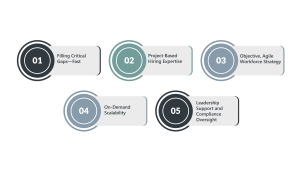
When we have recognized your human resources need and obtain an idea of your society, we will present a Team Leader. We make sure that we match the finest fit in regards to proficiency and social alignment with your organization's demands. Our Team Leaders have a wealth of HR expertise and can provide a selection of choices connected to suggested ability mix, time required to keep your HR feature running efficiently, and interim human resources getting in touch with support models.

At Quintop, Meantime HR Managers are understood for their versatility to new organisational societies and frameworks, resourcefulness and stability. They promptly feel at home in new environments and are passionate concerning connecting with and leading brand-new groups and tasks. With their ingenuity, they are well positioned to take care of a broad series of duties within a human resources department.
With their understandings they are able to straighten Human resources plans, methods and treatments with the company's overall objectives and objectives. With a strong understanding of legislations and policies, Quintoppers make sure that Human resources plans, procedures and procedures are straightened with your organisation's legal needs.
Even on the celebrations when an interim manager is involved adhering to a separation, there will certainly still be necessary organization purposes. These will certainly always be time-limited and specific to the obstacles the organisation is encountering during that time. However that's not all "Unlike other kinds of contract duty, all these objectives will certainly entail managing individuals or a job.
Unlike various other kinds of contract role, all these objectives will certainly include handling individuals or a project. Naturally, they will be within the experience and expertise of the interim.
Or, mentoring participants of the HR group in their duties. This is just one of things that makes an interim manager's role various to that of a routine service provider or independent expert. All goals, ancillary goals and criteria of the duty need to be concurred ahead of time and feature in an assignment short.

Latest Posts
Untitled
The smart Trick of How To Successfully Outsource Your Small And Mid-sized Business That Nobody is Discussing
Best B2b Services Link Building Companies In Queensland 2026 ... for Beginners